
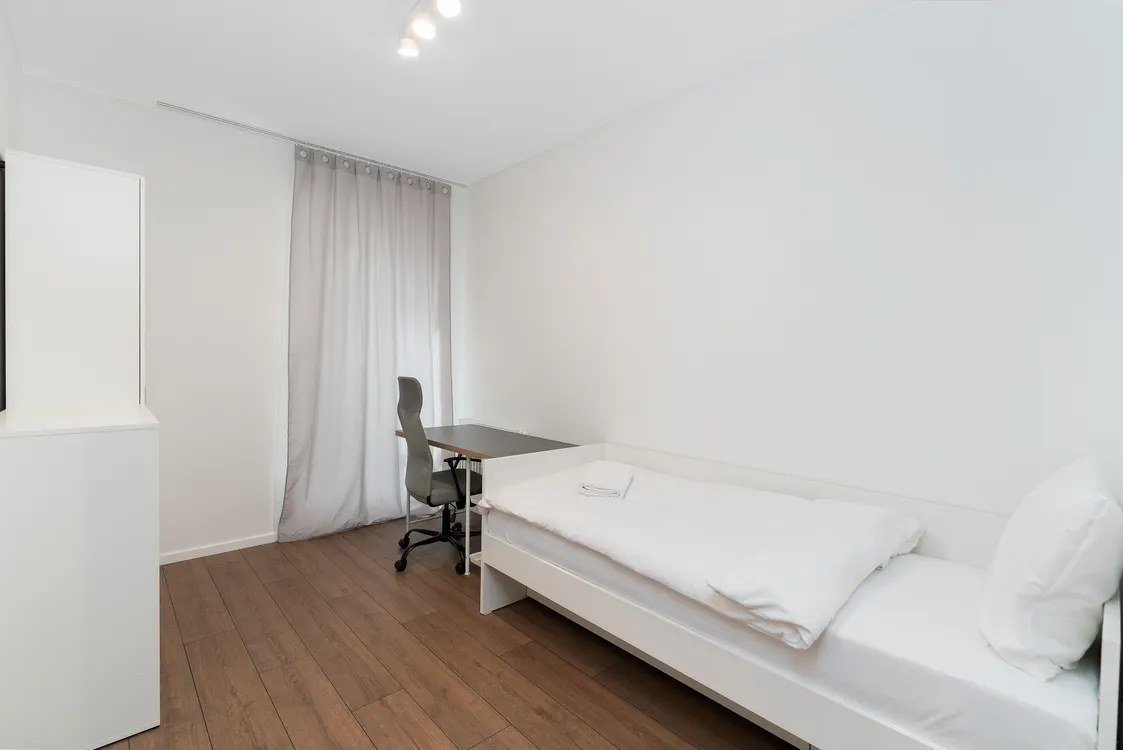
One room can hold three lives, if each one has a place
A studio apartment is one room that has to do three jobs: sleep, work, and relax. When those jobs share the same space without a plan, the bed becomes the desk, the desk becomes the dining table, and nothing ever feels finished. Zoning does not mean building walls. It means giving each activity a clear place, a clear light, and a clear way to start and stop. Everything below is renter-friendly: no drilling, no paint, and no permanent change, unless your lease clearly allows it. Check your lease first, and test any adhesive or removable product in a hidden spot, because even products described as removable can damage paint or finishes, and that can affect your security deposit.
Start with the layout, not the shopping list
Before you buy anything, stand at the door and look at the room as three areas. The sleep area is usually the quietest corner, away from the door and the kitchen if possible. The work area needs the best daylight and a plug nearby. The relax area needs the most comfortable seat and the view you like best. Draw the three areas on paper, even roughly, and keep walkways clear. A studio feels larger when you can walk in a straight line from the door to the window without stepping around furniture.
Use rugs to draw the zones
A rug is the easiest zone marker in a rental. One rug under the bed defines the sleep area. A second, different rug under a chair or small sofa defines the relax area. The work area often needs no rug at all, just a desk or table and a chair. Rugs do not need to match, but they should share a color family, so the room still feels like one home, not three separate rooms. Measure before you buy, and leave a clear gap between rugs so the floor still connects the zones.
Light each zone differently
One ceiling light makes a studio feel like one flat room. Three different lights make it feel like three places. Use a warm bedside lamp in the sleep area, a brighter task light at the desk, and a soft lamp near the relax seat. In the evening, turn on only the light for the zone you are using. That simple habit tells your brain that work is over when the desk light goes off, and rest has started when the relax lamp goes on. Keep cords tidy and away from walkways.
The sleep zone: make it easy to close the day
Your bed should feel separate, even if it is in the same room. A tall bookshelf, a curtain hung from a tension rod, or a folding screen can create a visual break without drilling, if your lease and the product instructions allow it. Keep the sleep zone for sleep: charge your phone outside the bed if you can, keep work papers off the pillow, and make the bed each morning. A made bed is the fastest way to make a studio look tidy, because the bed is the largest piece of furniture in the room.
The work zone: small, clear, and easy to leave
A work zone does not need a large desk. It needs a flat surface, a chair you can sit in for a while, a plug, and a place to put papers away at the end of the day. A small desk against a wall, with a shelf above it for books and supplies, often works better than a large desk in the middle of the room. At the end of work, close the laptop, put papers in one box or folder, and turn off the task light. That closing ritual matters more in a studio than in a larger home, because the desk is still visible from the bed and the sofa.
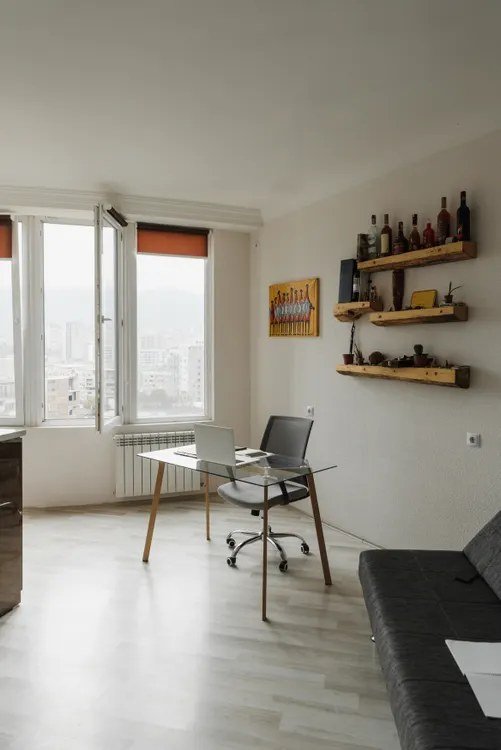
The relax zone: one comfortable seat is enough
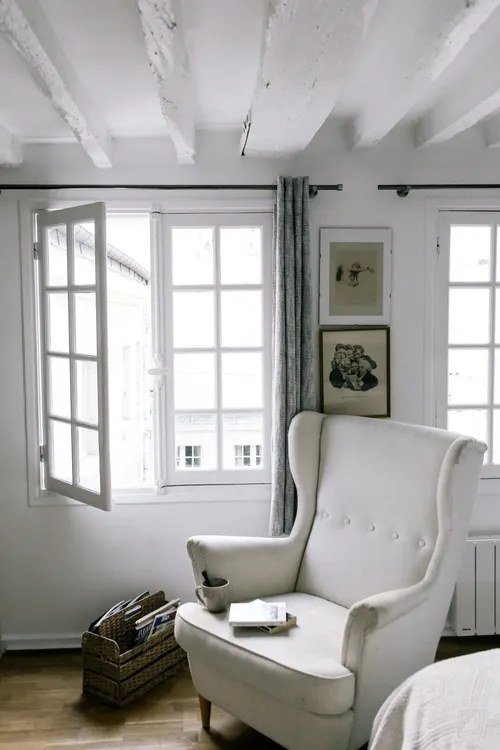
You do not need a full sofa set in a studio. One comfortable chair or a small loveseat, a side table, and a lamp can make a complete relax zone. Face the seat toward the window or toward something you enjoy looking at, not toward the desk. Keep a throw blanket and one book or magazine there, and keep work items out of this zone. When you sit down to relax, you should not be looking at your work screen.
Storage by zone, not by room
Give each zone its own storage, so things do not drift. Sleep zone storage is under the bed and in the closet. Work zone storage is one box, one folder, and one shelf. Relax zone storage is a basket for blankets and a small table for books. When something belongs to a zone, it returns to that zone. That rule alone prevents most studio clutter, because clutter in a studio is usually a work item in the sleep zone, or a sleep item in the relax zone.
Privacy without walls
Studios have little privacy, so create it with habits and light, not walls. A curtain or screen can help for sleep, but so can a routine: change clothes, make the bed, and switch the lights when you move from work to rest. If you share the studio or have guests often, agree on which zone is quiet at which time. A small room works best when the people in it agree on the plan, not just the furniture.
What to avoid
Avoid a bed that doubles as a sofa all day, because then you never truly rest and never truly work. Avoid putting the desk facing the bed, because work will follow you to sleep. Avoid buying large furniture before you have lived in the layout for a week, because a studio punishes one oversized piece more than a larger apartment does. Avoid dark, heavy curtains on the only window, because daylight is the studio’s best asset.
A simple weekend plan
Day one: move furniture into three zones on paper, then in the room, and clear the walkways. Day two: add one rug, one lamp per zone, and one storage box per zone. Live with that layout for a week, then move only one piece that is not working. Zoning is not about perfection on day one. It is about making sleep, work, and relax each have a place to start and a place to stop.
Checklist
- Sleep, work, and relax zones marked on paper first
- Walkway clear from door to window
- One rug for sleep, one for relax, work area clear
- Three lights: bedside, desk task light, relax lamp
- Bed made each morning, work papers off the pillow
- Desk cleared and task light off at the end of work
- One comfortable relax seat, facing away from the desk
- One storage box or basket per zone
- No drilling, no paint, lease checked, removable products tested in a hidden spot
A studio apartment works when each part of your day has a home. Sleep has a corner, work has a desk, and relax has a seat. You do not need more space, more furniture, or a bigger budget. You need a clear plan, a few lights, and the habit of closing one zone before you open the next. That is how one room can hold three lives, and still feel calm at the end of the day.